
Adanced Water System
Premium Mineral Water purifier
Jinhaeng Water PH7.4
Purification Technology
Our Water Purification System
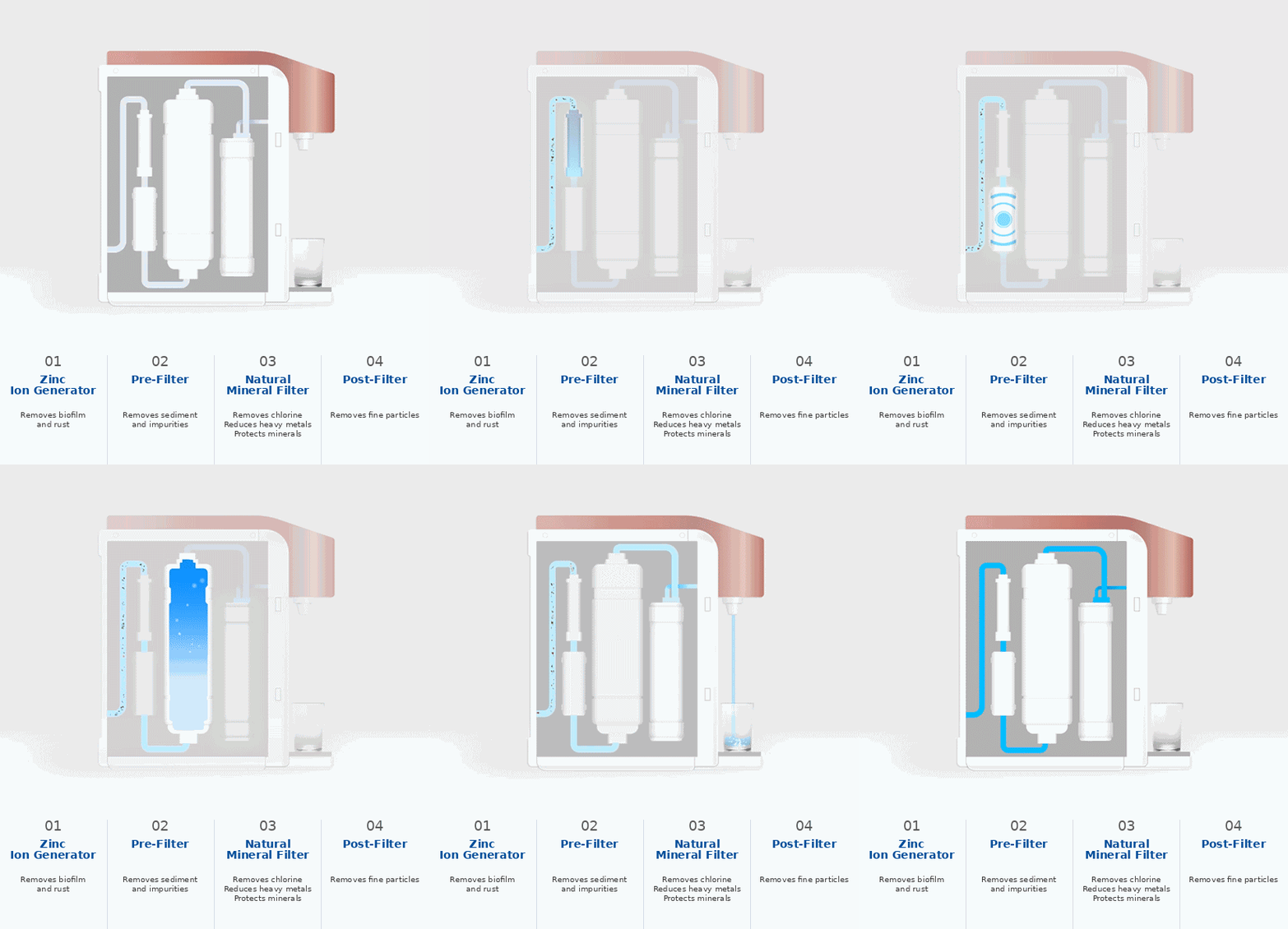
Water Purification Method
A Differentiated Purification System
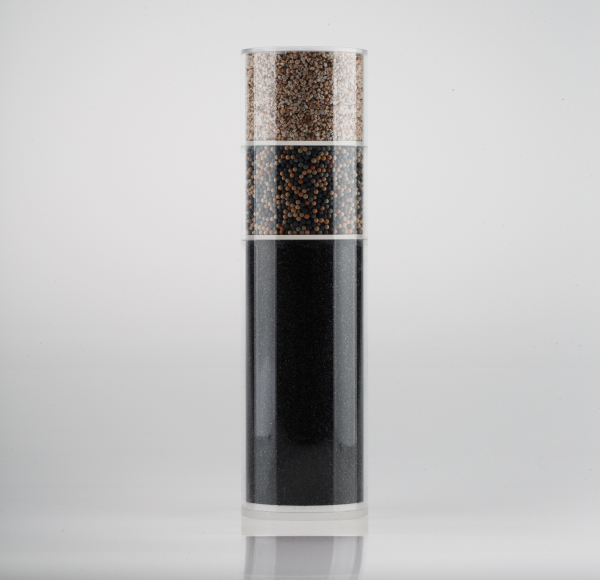
POINT 1. What Is a Multi-Mineral Filter?
JINHAENG WATER PH 7.4
The core of a water purifier is the filter.
-
- Pocheon Granite
- Granite that represents approximately 70% of Korea's natural stone resources.
-
- Ion Exchange Mineral Media
- Selectively captures impurities through ion exchange technology.
-

- Natural Coconut Material
- Activated carbon made from coconut shells, known for excellent purification performance.

Residual Chlorine Removal

Adsorption of Carcinogenic Substances

Heavy Metal Adsorption

Removal of Common Bacteria
Natural spring water to drink at home
-
- STEP 01
- Natural minerals found in spring water are preserved.
-
- STEP 02
- Natural activated carbon removes residual chlorine, volatile compounds, and harmful substances.
-
- STEP 03
- Natural ion-exchange mineral media adsorbs heavy metals.
-
- STEP 04
- Natural granite helps adjust mineral balance and improve water taste.
-
- STEP 05
- The zinc ion generator helps reduce biofilm, bacteria, and rust.
POINT 2. Zinc Ion Generator
This device helps address secondary contamination inside water purifiers in a natural and stable way. It releases a trace amount of harmless hydrogen peroxide (H₂O₂) at approximately 0.01 ppm to help control bacteria, while generating zinc ions that assist in reducing biofilm and supporting mineral balance in the water.
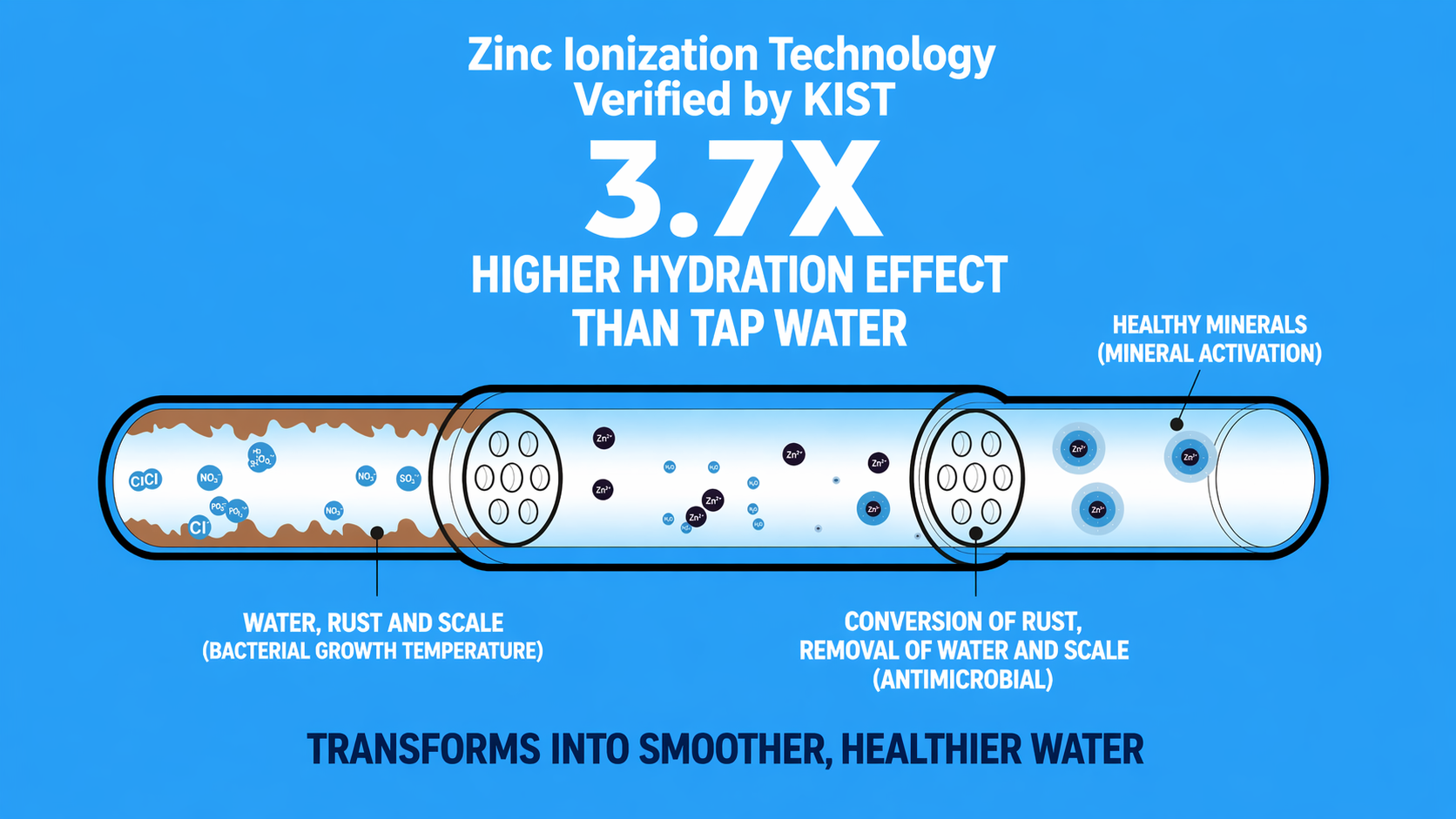

Zinc Ion Added

Suppresses Bacteria / Biofilm

Preserves Minerals

Softens Water
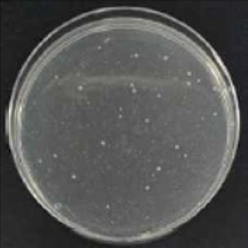
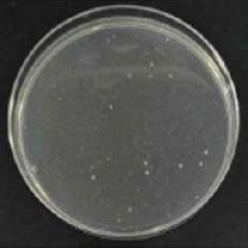
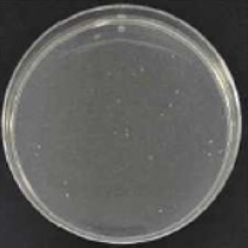
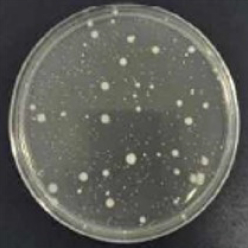
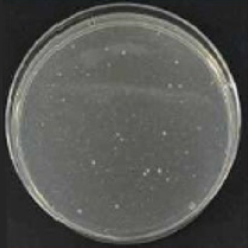
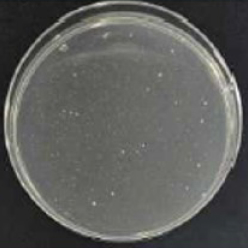
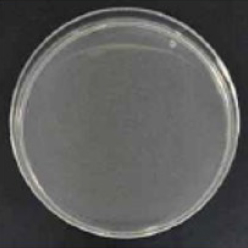
Why Use the Zinc Ion Generator (Atobuster)?
| Category | After 0 Hours | After 1 Hour | After 6 Hours | After 24 Hours |
|---|---|---|---|---|
| Control Group (Not Installed) |
|
|
|
|
| Test Group (Installed) |
|
|
|
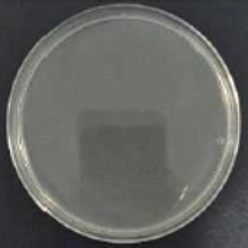
|
Experimental Results
Hydrogen peroxide generated by the zinc ion generator reduced bacterial count by 99.9% compared to the control group.
| Reduction Rate of Viable Bacteria (Control Group) | ||||
|---|---|---|---|---|
| Test Bacteria | Collection Time | Bacterial Count | Unit | Reduction Rate (%) |
| Serratia marcescens |
Initial | 9.0 × 10⁵ | CFU/mL | - |
| 0 Hour | 7.0 × 10² | - | ||
| 1 Hour | 7.0 × 10² | 0 | ||
| 6 Hours | 6.0 × 10² | 14.3 | ||
| 24 Hours | 7.0 × 10² | 0 | ||
| Reduction Rate of Viable Bacteria (Test Group) | ||||
|---|---|---|---|---|
| Test Bacteria | Collection Time | Bacterial Count | Unit | Reduction Rate (%) |
| Serratia marcescens |
Initial | 9.0 × 10⁵ | CFU/mL | - |
| 0 Hour | 7.5 × 10² | - | ||
| 1 Hour | 7.5 × 10² | 0 | ||
| 6 Hours | 2.5 × 10² | 66.7 | ||
| 24 Hours | 0 | > 99.9 | ||
* Source:
-
Zn²⁺ (Zinc Mineral)+2H₂O (Water)+O₂ (Oxygen)→Zn(OH)₂ (Alkaline Compound)+H₂O₂ (Hydrogen Peroxide / Bacteria Removal)
Filter Manufacturing Process
Jinhaeng Water pH 7.4 values principles and science.
Every step is carried out manually to achieve premium-quality results.
Filter Manufacturing Process
-
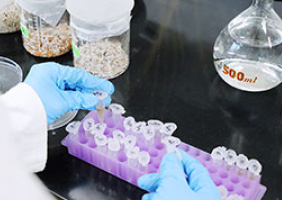
- Filter Material Measuring
- Before producing the Jinhaeng Water PH7.4 filter, filter media are precisely measured at the production facility.
-
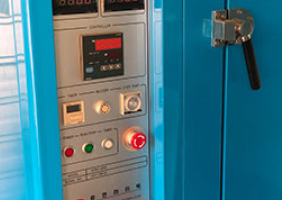
- Filter Material Sterilization
- Filter media are sterilized at 400°C for 20 minutes, removing contaminants and helping prevent bacterial growth.
-
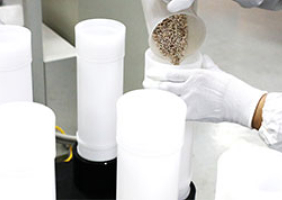
- Filter Material Filling
- After washing, drying, and sterilizing, the prepared filter media are filled for secondary processing.
-
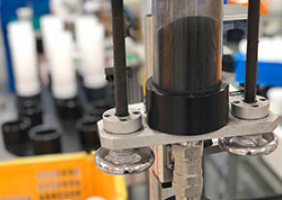
- Filter Material Compression
- The filled filter media receive secondary processing through machinery and are compressed into shape.
-
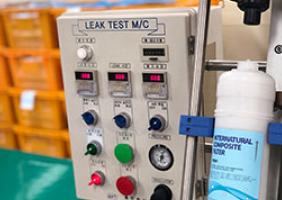
- Leak Test
- An airtight pressure test is conducted to verify filter safety and leak prevention.
-
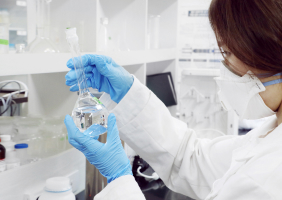
- Water Quality Test
- Purified water from the completed filter is tested to ensure compliance with drinking water standards.
-

- Product Assembly
- Handcrafted components and the specially manufactured device are assembled, and each product is carefully inspected.
-
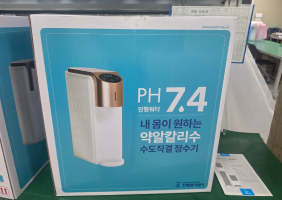
- Product Packaging
- Finished products are securely packaged and shipped nationwide.
Filter Comparison
Water Purifier Filter Comparison
The difference in healthy water lies in the choice of filter.
| Jinhaeng Water PH7.4 | Reverse Osmosis Filter | Nano (Safe) Filter | Activated Carbon Filter |
|---|---|---|---|
| Mild Alkaline Water (pH 7.2–7.6) | Acidic Water (pH 5.5–6.9) | Slightly Acidic Water (pH 6.0–7.0) | Mild Alkaline Water (pH 7.0–7.6) |
| Uses activated carbon, ion exchange mineral media, and mineral granite to remove harmful substances while supplying zinc ions, minerals, and negative ions. | High-density membrane blocks many substances in water and may also remove beneficial minerals. | Combines reverse osmosis and activated carbon filters. Removes contaminants, but some minerals may pass through and secondary contamination can occur due to retained water. | Fine pores in the membrane remove chlorine and odors, but may allow heavy metals, carcinogens, bacteria, and biofilm to remain. |
|
|
|
|
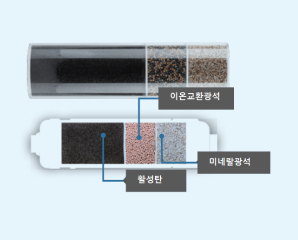
|
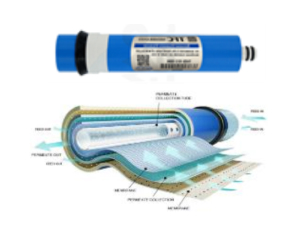
|
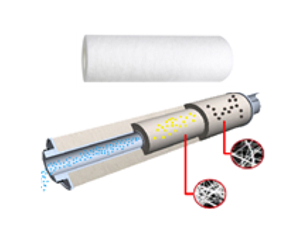
|
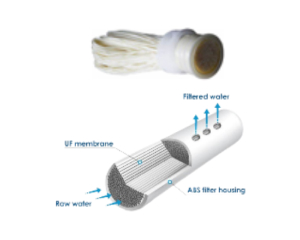
|
Comparison of Jinhaeng Water PH7.4 and Other Filters
- The human body is composed of natural cells, so drinking water should retain natural minerals as they exist in nature.
- Good water preserves a wide range of beneficial minerals.
- Residual chlorine, carcinogenic substances, and heavy metals should be largely removed, preferably through natural filtration methods.
- Secondary contamination inside the purifier (biofilm, bacteria, microbial growth) should not occur.
Filter Performance Comparison
| Category | Acidity / pH | Purification Performance | Mineral Retention | Filtration Speed | Power Consumption | Taste |
|---|---|---|---|---|---|---|
| Natural Mineral Composite Filter | Mild Alkaline (pH 7.2–7.4) |
●● | ●● | ○ | ○ | ●● |
| Reverse Osmosis Filter | Acidic (pH 5.7–6.9) |
▲ | XX | X | X | ▲ |
| Nano Filter | Acidic (pH 5.7–6.9) |
○ | ○ | ○ | ▲ | ○ |
| Activated Carbon Filter | Mild Alkaline (pH 7.2–7.7) |
▲ | ○ | ●● | ○ | ○ |
※ Rating Guide: ●● = Excellent, ○ = Good, ▲ = Average, X = Poor, XX = Very Poor
Evaluation Points: Whether the water pH is close to the natural balance of the human body, whether natural materials are used, whether beneficial minerals are preserved, and overall water taste and drinking quality