
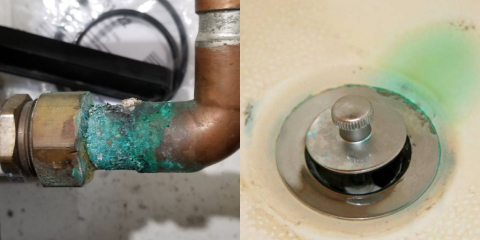
When copper pipes corrode, blue water can occur.
Copper residues can be absorbed into the body and are not easily broken down, remaining as toxic substances.

Ranked among the top 8 globally

Aging pipes causing rust and scale

Less than 5% of consumers drink tap water directly
- Pipe lifespan: approx. 30 years
- Estimated replacement cost: ~70 trillion KRW
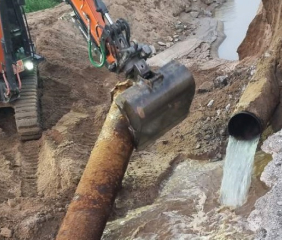
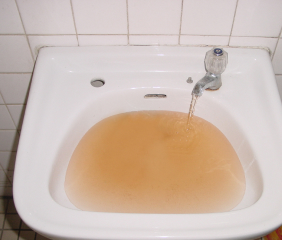
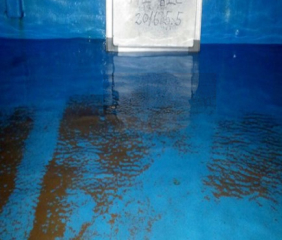
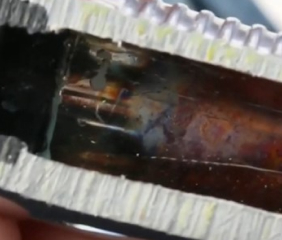
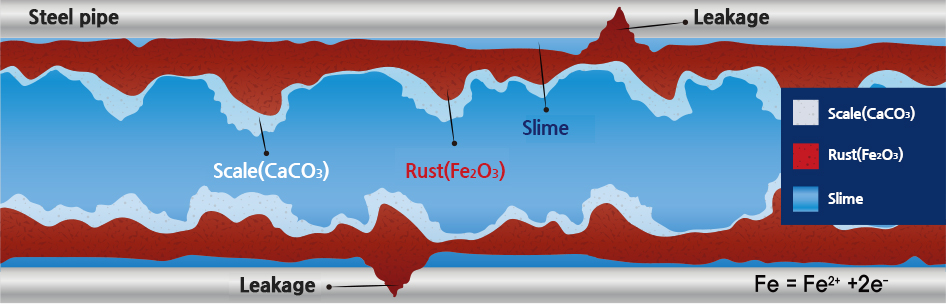
As water supply pipes age, corrosion inevitably leads to rust, scale, biofilm, bacteria, and leakage.
As a result, water quality deteriorates and the lifespan of the pipes is reduced.
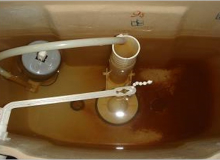
Slime in toilet tank
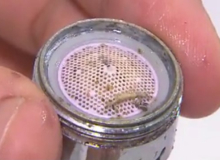
Bacteria on faucet
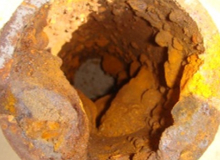
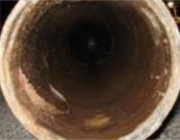
Rust in 15-year-old cast iron pipe
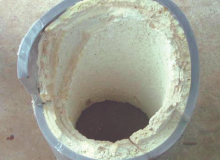
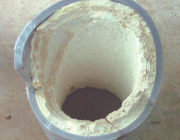
Scale in PVC pipe
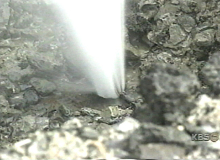
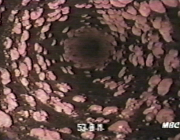
Leakage in 25-year-old water pipe
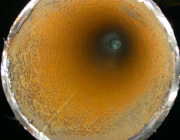
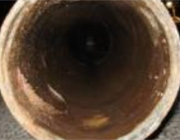
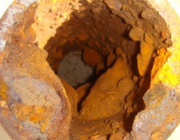
When copper pipes corrode, blue water can occur.
Copper residues can be absorbed into the body and are not easily broken down, remaining as toxic substances.
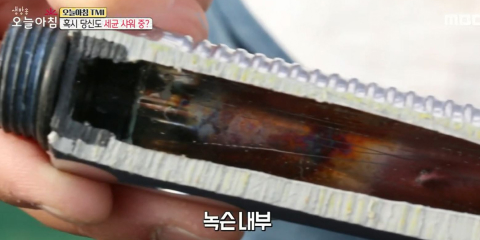
Even stainless steel pipes can develop rust over time.
In many cases, after 2–3 years, contamination reoccurs, and foreign substances can be found inside the pipes.
According to reports, contamination in stainless steel water pipes has been continuously observed.
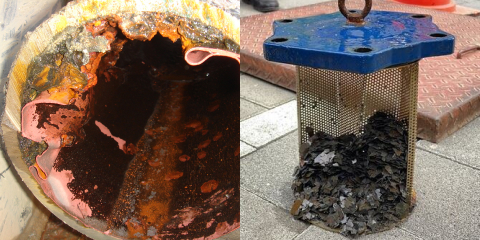
Epoxy lining may peel off due to aging or poor construction.
This can lead to contamination issues and the release of harmful substances, making it unsuitable as a long-term solution.
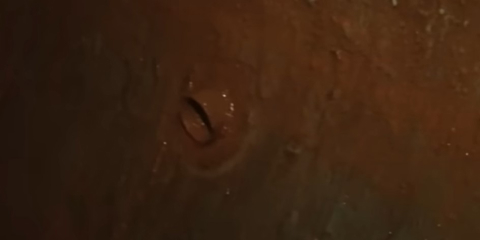
Cast iron pipes are the most widely used in water supply systems.
They are highly susceptible to corrosion, leading to rust and red water.
Most of the aging water pipes in Korea are cast iron pipes installed around the 1980s.
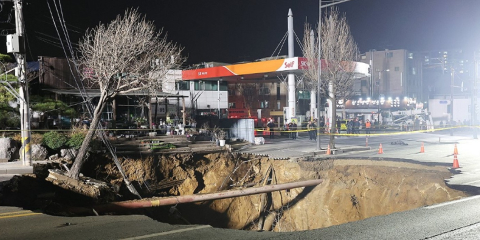
Ground subsidence (sinkholes) caused by aging water pipes can occur anywhere without warning.
These are hidden risks beneath the ground and can lead to serious safety issues.
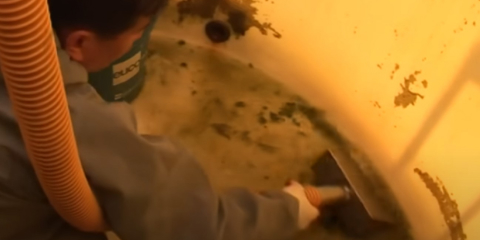
Water tanks in buildings are prone to contamination due to external pollutants and require regular cleaning.
However, in many cases, proper maintenance is not carried out, leading to hygiene concerns.