
Adanced Water System
Pipe performance enhancement device
Jinhaeng RSI
Corrosion Solution Technology
What technologies are available to solve pipe corrosion?
Evolution of Pipe Corrosion Control Technologies
-
- 1st Generation: Chemical Inhibitors (1960s–)
-
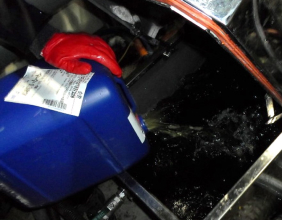
- May accelerate corrosion depending on dosage
- Overuse can cause secondary environmental pollution
- Long-term use may be harmful to human health
-
- 2nd Generation: Epoxy Coating (1980s–)
-
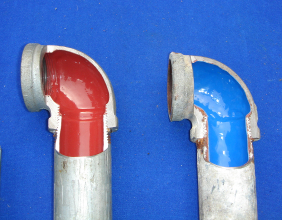
- Generates environmental hormones → harmful to health
- Being phased out or restricted worldwide, including Korea
-
- 3rd Generation: Water Treatment Methods (1990s–)
-
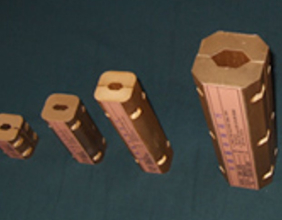
- Includes ionization, magnetism, electrochemical, and electrical methods
- Reliability of magnetism and electrochemical methods not fully verified
- Electrical methods mainly used for industrial and wastewater applications
-
- 4th Generation: Pipe Cleaning (2000s–)
-
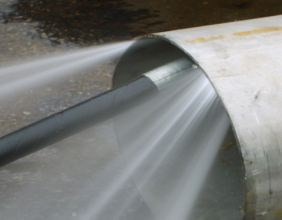
- Decreases pipe performance (functionality)
- Fast re-contamination (reoccurs within 6 months–2 years)
- Requires repeated maintenance
- Causes water waste
Various technologies have been developed to address corrosion issues in water supply pipes. However, they have limitations in terms of performance, cost, environmental impact, and effectiveness.
Today, ionization-based water treatment systems—proven to be eco-friendly, cost-effective, and highly efficient—are becoming the industry standard.
The only true solution for pipe management is Jinhaeng RSI
History of Water Treatment Systems
-
Since the 1950s, more than 5,000 types of water treatment systems have been developed and marketed worldwide, mainly in developed countries.
-
- In Korea, since the early 1990s, over 40 types of water treatment systems have been imported and sold, but most failed in the market.
- Types: ionization, magnetic, electrochemical, and electrical systems
- Major importing countries: the United States, Japan, Russia, Israel, and Europe
-
- Causes of Failure
- Lack of consistency between theoretical performance and actual field results
- Failure to verify performance under different environmental and water conditions
- Lack of expertise, field validation, management, and accountability in corrosion control
Types and Limitations of Pipe Corrosion Solutions
-
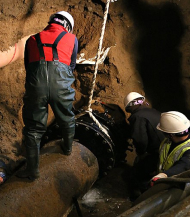
- Pipe Replacement
-
- High construction costs due to excavation work
- Inconvenience during replacement; issues may reoccur after installation
- High cost makes it a last-resort solution for pipe management
-
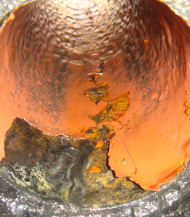
- Coating
-
- Only removes rust, scale, and slime temporarily
- Risk of harmful substances such as bisphenol A (BPA)
- Increasingly restricted or banned in many countries, including Korea
-
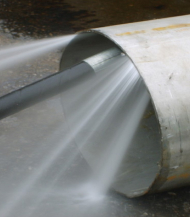
- Pipe Cleaning
-
- Lower cost but requires regular repetition, leading to ongoing expenses
- Causes inconvenience to residents
- Reduces pipe performance; serves only as a temporary solution
-
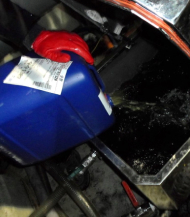
- Chemical Treatment (Corrosion Inhibitors, etc.)
-
- Lowest initial cost but requires continuous dosing
- Potential health risks
- Causes water quality deterioration and secondary environmental pollution
Evaluation of Pipe Corrosion Solutions
| Category | Key Features |
|---|---|
| Jinhaeng RSI (Water Piping System Enhancer) |
|
| Pipe Cleaning |
|
| Chemical Treatment (Corrosion Inhibitors) |
|
| Epoxy Coating |
|
| Pipe Replacement |
|
| Category | Technology | Cost Efficiency | Safety | Convenience | Eco-Friendliness | ESG (Carbon Emissions) |
|---|---|---|---|---|---|---|
| Jinhaeng RSI (Water Piping System Enhancer) | ● | ● | ● | ○ | ● | ● |
| Pipe Cleaning | ▲ | ▲ | ○ | ○ | ▲ | ▲ |
| Corrosion Inhibitors | X | ○ | XX | ● | XX | ▲ |
| Epoxy Coating | ▲ | X | XX | ▲ | XX | ● |
| Pipe Replacement | ● | XX | ● | XX | XX | XX |
※ Rating Scale: Excellent (●), Good (○), Fair (▲), Poor (X), Very Poor (XX)
Cost Comparison of Pipe Corrosion Solutions
| Method | Process | Cost | Notes | |
|---|---|---|---|---|
| Pipe Replacement | Stainless Steel (SS304) |
approx. $4,000 |
|
세대관 제외 |
| Copper Pipe | approx. $2,500 |
|
||
| PVC (PE, PP, etc.) | approx. $1,200 |
|
||
| Chemical Treatment (Corrosion Inhibitors) | Chemical dosing | approx. $50/year |
|
세대관 포함 |
| Epoxy Coating | Internal pipe epoxy lining | approx. $1,800 |
|
세대관 제외 |
| Jinhaeng RSI | Installed externally on the pipe | approx. $100–$200 |
|
세대관 포함 |
- Based on a typical apartment unit, costs may vary depending on conditions.
- For a single-building pipeline replacement (approx. 1 km), construction costs can reach around $200,000.
- → With Jinhaeng RSI, similar results can be achieved at a significantly lower cost.